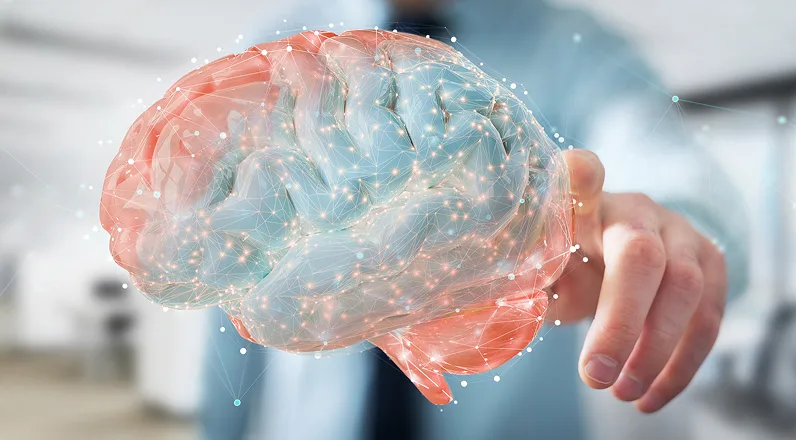
Since its introduction to public drinking water in the 1940s, fluoride has been praised for its dental benefits. Earlier studies, despite lacking proper design and method by modern standards, showed that it reduced cavities by as much as 60%. But now we’re starting to question the safety of fluoride after some recent studies challenged its effectiveness and linked its exposure, especially in high doses, to lower IQ scores in children. So, what does science actually say?
- A recent 2025 study published in JAMA pediatrics concluded that for every1 mg/L increase in fluoride, IQ scores dropped by an average of 1.63 points.
- A 2023 study published in Elsevier’s Environmental Research found thatfor every 1 mg/L increase, there was a 3.05 IQ point drop.
- Multiple reviews and surveys foundthat pregnant mothers with higher fluoride intake tend to give birth to children with lower cognitive function.
Some suggested mechanisms for this observed effect are the buildup of fluoride in the brain, impairing memory and learning; it also freely crosses the placenta and interferes with the brain development and thyroid function of growing babies.
These reviews, however, link fluoride to the cognitive changes only at concentrations higher than 1.5 mg/L in drinking water, which is double the standard enforced by the US Public Health Service, but that’s not exactly reassuring for multiple reasons: First, most of these studies were not designed to test fluoride effects at these low levels, so it would be unlikely that they can find a link even if one exists; the second reason is, a few smaller-scale studies, like Green et al. (2019) and Till et al. (2020), found an association between fluoride and IQ at concentrations lower than 0.7 mg/L, which is the standard enforced in the US; third, drinking water is not the only source of fluoride.
So where does most of our fluoride exposure come from?
You might think that we only get fluoride from tap water, but that is not the case. You can get it from:
- Fluoridated Toothpaste & Mouthwash:Many oral care products contain fluoride, you can change to better, fluoride-free choices.
- Foods and beverages:Tea is naturally high in fluoride, so your daily cup might be giving you more than just a caffeine boost. Also,canned fish, like sardines or salmon, tend to have high fluoride content.
- Some regions havenaturally fluoridated groundwater, so be careful with your fluoride intake if you live in one of these regions.
Using water filters that remove fluoride, choosing fluoride-free dental products, and avoiding too many fluoride-rich foods and beverages are simple actions that protect your brain from the potentially harmful effects of fluoride.
Do we even need fluoride?
Fluoride is not an essential nutrient; unlike vitamins and essential minerals like calcium and magnesium, fluoride has no biological function; your body doesn’t need it. Its topical effect in reducing tooth decay is only minor, placed at less than 15% reduction in cavities by modern studies and reviews; moreover, fluoride is toxic at high doses, causing fluorosis; it replaces calcium in bones, forming fluorapatite instead of hydroxyapatite, which is more brittle, weakening your bones and teeth. A better, more natural alternative to fluoride is Nano-Hydroxyapatite.
Why Nano-Hydroxyapatite and not fluoride?
- Nano-hydroxyapatite is a perfect match for your teeth,rebuilding enamel naturally instead of just coating it.
- It repairs weak spots, eases sensitivity, and even helps reverse early cavities,all without safety concerns.
- Unlike fluoride, nHA is what your teeth are made of, making it the most natural way tokeep them strong and healthy.
Replacing fluoridated dental products with nHA-based ones is a step in the right direction, but even the best toothpaste is bested by a healthy lifestyle:
- A nutrient-rich diet (calcium, vitamin D, K2, magnesium) is essential for the health of your enamel.
- Sugar and processed foods promote cavities; avoid those for better oral health.
- Brushing, flossing, and good oral hygiene remain the foundation of dental health, not just toothpaste ingredients.
Fluoride was introduced to drinking water with the best of intentions, but the question is, is it time to rethink whether we need it? The benefits of fluoride are now debatable, and we’re only starting to pay enough attention to its harmful effects on the brain, especially children’s developing brains. The evidence has been there for decades, but for some reason it was ignored. Science has evolved since its introduction 80 years ago, and what was once considered the norm now must be questioned. More research is needed to understand the full extent of the negative effects of fluoride and to make better judgments, but in the meantime, better safe than sorry.