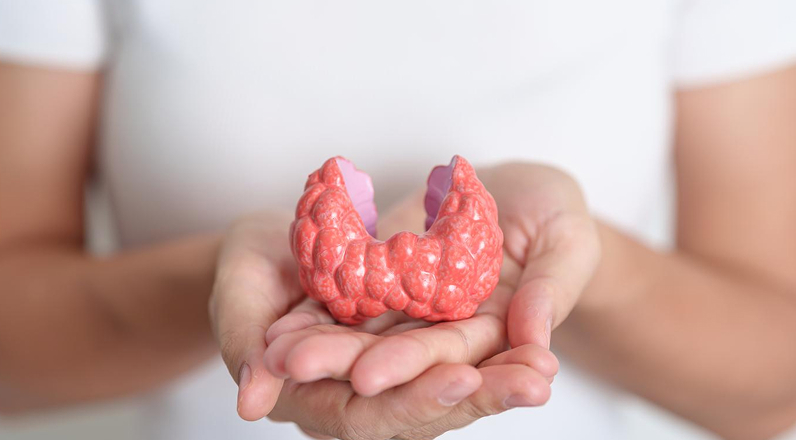
Plastic bottles, cosmetics, cleaning chemicals, and non-organic processed foods all have something in common: they contain chemicals capable of impairing the function of your endocrine system, the glands and organs responsible for producing hormones like testosterone, estrogen, insulin, and thyroxine. These substances are called endocrine-disrupting chemicals, or EDCs, and you can potentially be exposed to dozens of them without even knowing. By harming your hormonal health, EDCs cause many chronic disorders and metabolic diseases, and they are linked to congenital anomalies, immune disorders, and gut dysbiosis.
How do EDCs impact your health?
Endocrine disruptors are industrial, agricultural, or pharmaceutical chemicals that enter your body and interfere with your hormonal health, and since hormones regulate growth, development, metabolism, and reproduction, their disruption creates multiple disorders. Different EDCs undermine the health of the endocrine system through one or more of these ways:
- They can block the hormones from reaching their receptors and exerting their effect on different cells.
- They interfere with the function of hormone-secreting glands, causing them to make too much or too little hormones.
- EDCs can change the epigenome by altering gene methylation and histone acetylation, processes that regulate gene expression and hormone production.
- EDCS can also mimic the function of some hormones like estrogen by binding to and activating their receptors.
- Additionally, they can block intracellular signaling pathways that are essential for the normal function of hormones.
Some of the health outcomes of these effects are:
- Reduced male fertility:Anti-androgenic and estrogenic endocrine disruptors like phthalates and vinclozolin are a known cause of low male fertility; these chemicals block testosterone production and action, reducing sperm count and sex drive and causing sexual dysfunction. Additionally, these chemicals reduce semen quality by causing structural damage or developmental abnormalities in the testes.
- Female reproductive disorders:Exposure to estrogen-mimicking chemicals like bisphenol A (BPA), parabens, and DDT interferes with the female hormonal balance and impairs ovulation and fertilization. Estrogenic EDCs are also linked to female reproductive disorders like endometriosis, polycystic ovary syndrome (PCOS), and premature ovarian failure. These conditions contribute to a significant reduction in female fertility.
- Growth and neurodevelopmental disorder:EDCs disrupt mitochondrial function and impair energy production, leading to increased oxidative damage; this negatively affects brain development and function. EDCs are linked to ADHD, autism, and learning disabilities.
- Metabolic disorders:EDC exposure is linked to obesity and diabetes; they can disrupt mitochondrial function, leading to insulin resistance and metabolic disruption.
- Immune disorders:EDCs induce chronic inflammation by interfering with immune cell function; they reduce the numbers of T regulatory cells and alter the balance of different immune components. Additionally, EDCs can affect cytokine secretion, which are substances your immune cells use to communicate with each other. The resulting immune dysregulation can cause autoimmune diseases like lupus, rheumatoid arthritis, and Hashimoto’s thyroiditis.
- Gut dysbiosis:EDCs are toxic to the beneficial gut bacteria and are known to cause imbalance in the gut microbiome, contributing to the development of leaky gut.
Common EDCs and where they can be found
Tens of chemicals can be considered endocrine disruptors. They can be found in food, water, plastics, cosmetics, and personal care products. These are some examples of EDCs and where they can be found:
- Bisphenol A (BPA): Linked to hormonal imbalances, infertility, and increased cancer risk and found in plastic containers and food cans.
- Phthalates: Associated with reproductive disorders and obesity and used in plastics, cosmetics, and fragrances.
- Parabens: An estrogenic EDC that increases breast cancer risk, it’s found in shampoos, lotions, and cosmetics.
- Perfluorinated Chemicals (PFCs): Linked to immune dysfunction, thyroid disease, and cancer and used in non-stick cookware and food packaging.
- Atrazine: A herbicide found in water supplies and agricultural runoff. It disrupts reproductive health.
- DDT: A banned pesticide linked to reproductive disorders and cancer, but its breakdown product, DDE, persists in the environment.
- Flame Retardants (PBDEs): Disrupt thyroid function and neurodevelopment; it’s found in furniture, electronics, and household dust.
- Dioxins: Byproducts of industrial processes, found in meat, dairy, and fish. They cause immune suppression, hormonal disruption, and cancer.
- Glyphosate: A common herbicide found in food and water that causes gut dysbiosis.
Tips to avoid the damage caused by EDCs
- Eat organic food.
- Use glass and stainless steel containers and bottles instead of plastic ones.
- Buy high-quality cosmetics and personal care products that are phthalate-free and paraben-free.
- Switch to natural cleaning products for your household.
- Use water filters and air purifiers.
- Contact a professional that can help you identify your exposures and provide you with a suitable detox plan.
Endocrine disruptors are hidden chemicals that are silently harming your health. By knowing where they lurk and taking steps to remove them from your body and environment, you can protect your well-being. If you suspect you’re exposed, reach out to us now; we can test you for EDC exposure and provide you with personalized solutions to regain your vitality.
References:
- Guarnotta V, Amodei R, Frasca F, Aversa A, Giordano C. Impact of Chemical Endocrine Disruptors and Hormone Modulators on the Endocrine System. Int J Mol Sci. 2022 May 20;23(10):5710. doi: 10.3390/ijms23105710. PMID: 35628520; PMCID: PMC9145289.https://pubmed.ncbi.nlm.nih.gov/35628520/
- Ahn C, Jeung EB. Endocrine-Disrupting Chemicals and Disease Endpoints. Int J Mol Sci. 2023 Mar 10;24(6):5342. doi: 10.3390/ijms24065342. PMID: 36982431; PMCID: PMC10049097.https://pubmed.ncbi.nlm.nih.gov/36982431/
- Gálvez-Ontiveros Y, Páez S, Monteagudo C, Rivas A. Endocrine Disruptors in Food: Impact on Gut Microbiota and Metabolic Diseases. Nutrients. 2020 Apr 21;12(4):1158. doi: 10.3390/nu12041158. PMID: 32326280; PMCID: PMC7231259.https://pubmed.ncbi.nlm.nih.gov/32326280/
- Predieri B, Bruzzi P, Bigi E, Ciancia S, Madeo SF, Lucaccioni L, Iughetti L. Endocrine Disrupting Chemicals and Type 1 Diabetes. Int J Mol Sci. 2020 Apr 22;21(8):2937. doi: 10.3390/ijms21082937. PMID: 32331412; PMCID: PMC7215452.https://pubmed.ncbi.nlm.nih.gov/32331412/
- Lahimer M, Abou Diwan M, Montjean D, Cabry R, Bach V, Ajina M, Ben Ali H, Benkhalifa M, Khorsi-Cauet H. Endocrine disrupting chemicals and male fertility: from physiological to molecular effects. Front Public Health. 2023 Oct 10;11:1232646. doi: 10.3389/fpubh.2023.1232646. PMID: 37886048; PMCID: PMC10598475.https://pubmed.ncbi.nlm.nih.gov/37886048/
- Caserta D, Costanzi F, De Marco MP, Di Benedetto L, Matteucci E, Assorgi C, Pacilli MC, Besharat AR, Bellati F, Ruscito I. Effects of Endocrine-Disrupting Chemicals on Endometrial Receptivity and Embryo Implantation: A Systematic Review of 34 Mouse Model Studies. Int J Environ Res Public Health. 2021 Jun 25;18(13):6840. doi: 10.3390/ijerph18136840. PMID: 34202247; PMCID: PMC8297133.vhttps://pmc.ncbi.nlm.nih.gov/articles/PMC8297133/
- Fabozzi G, Rebuzzini P, Cimadomo D, Allori M, Franzago M, Stuppia L, Garagna S, Ubaldi FM, Zuccotti M, Rienzi L. Endocrine-Disrupting Chemicals, Gut Microbiota, and Human (In)Fertility-It Is Time to Consider the Triad. Cells. 2022 Oct 22;11(21):3335. doi: 10.3390/cells11213335. PMID: 36359730; PMCID: PMC9654651.https://pubmed.ncbi.nlm.nih.gov/36359730/