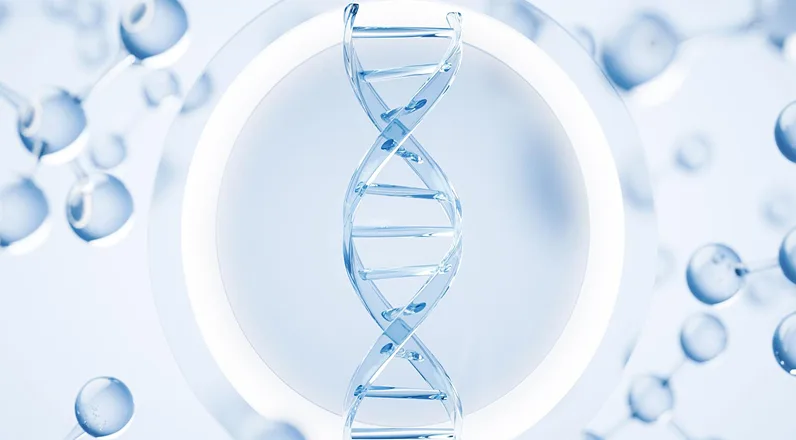
Epigenetics is the study of how genes behave. While your genome rarely changes, your genes are switched on and off in response to various environmental factors, such as lifestyle and exposure to pollutants, which offers some adaptability to the constantly changing environment around us. If our genes are keys on a piano, the epigenome is the player, and we are the composers. You can choose how the piano is played.
When you make unhealthy lifestyle choices, like not exercising and being mostly sedentary, or indulging in bad dietary habits, these behaviors can hit essential genes, like the ones responsible for balancing blood sugar, shutting them off and causing diseases like diabetes. The effects can be subtle, like feeling tired all the time, brain fog, problems with sleep, and troubles concentrating, or they could be as serious as cancer. This is why understanding your epigenome and what disrupts it is the key to unlocking your full potential.
How does the switching happen?
two main processes maintain the balance:
- DNA methylation: adding methyl groups to the DNA of genes that act like locks preventing the expression of these genes.
- Histone acetylation, which makes DNA easier to read.
These two processes are what make the cells in your liver different from the ones in your brain; depending on which genes are activated and which genes are shut off, you get different types of cells with different jobs despite these cells having the same genes. So, anything that disrupts that balance will cause health problems because it interferes with how your organs and cells work.
What are examples of these “disruptors”?
- Pollution:Inhaling polluted air turns on pro-inflammatory genes in your airways, leading to asthma, heart diseases, and cancer.
- Smoking:One of the serious health risks that come with smoking is cancer; the risk is due to the fact that smoking switches off cancer-preventing genes.
- Endocrine-disrupting chemicals, or EDCs:Found in plastics, personal care products, and pesticides, these chemicals interfere with how your hormones function and lead to growth issues, metabolic problems, and diseases.
Take back control.
By making a few powerful choices, you can protect your epigenome:
- Move Your Body:Exercise wakes up your superhuman genes.
- Eat Clean:A balanced, colorful diet fuels your genes with the good stuff.
- Breathe Easy:Invest in air purifiers and avoid pollutants.
- Ditch Toxins:Use clean skincare, choose organic produce, and skip the smoking.
- Manage Stress:Chill out! It’s not just good for your mind; it keeps your genes in check, too.
It’s not just your life; it’s your legacy!
We used to believe that only the genome gets passed down to the next generation, but recently scientists started to realize that the epigenome is also heritable, which means your lifestyle choices don’t only affect you but also your kids and grandkids, so are you willing to take action to leave them a legacy they will cherish?
While your genes might play a major role in shaping your life, this is not the entire truth; your choices are important. Take control, unlock your full potential, and improve your life and your children’s lives. So, what’s the change you’re going to make today to upgrade your life?