Measuring at around 30 feet long, your digestive tract is a major contender for the largest, most important system in your body. Besides its main function to digest and absorb the nutrients the rest of your body needs, your gut contains more than 70% of your immune system and has its own complex nervous system that can function independently from your brain. The gut regulates the immune system, influences mood and cognitive function, and is a significant contributor to your overall well-being; keeping it healthy is the key to achieving vitality and longevity and to reaching your maximum potential.
The gut microbiome
The human gut harbors around 100 trillion microbes representing more than 5000 species and weighing up to 2 kilograms in total. It is by far the largest microbiome in your body. Involved in extracting energy from food, synthesizing neurotransmitters like serotonin and vitamins like vitamin K, and regulating the immune system, the gut microbiome is now being considered its own separate organ. Furthermore, different abnormal compositions of the microbiome are linked to obesity, insulin resistance, cardiovascular diseases, and multiple autoimmune conditions. A healthy gut microbiome is central to your gut health as well as your general wellness. Here we are going to explore strategies to support your microbiome and maintain the health of your gut.
Optimize your diet.
Of course, diet is the most significant factor to consider when discussing gut health; your diet determines the composition of your microbiome. A good, nutrient-rich diet means a healthy, diverse microbiome that supports the health of your gut. These are a few pieces of advice that you should consider:
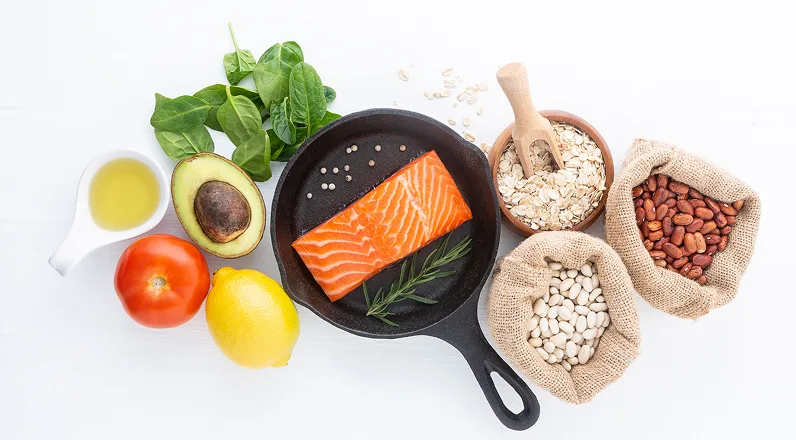
- The more fibers, the better: Along with their known benefits in improving digestion, fibers work as prebiotics, supporting healthy bacteria in your gut. Studies also show that people eating more fibers are less likely to get heart diseases. Incorporate more fibers into your meals by adding more green vegetables, whole grains, nuts, and seeds.
- Fermented foods enhance your microbiome: Fermented foods are natural probiotics that supply you with a variety of beneficial bacteria, contributing to the diversity and balance of your microbiome and preventing the harmful bacteria from taking the upper hand. Add fermented foods like yogurt, kefir, sauerkraut, and kimchi to your diet for a healthier, more diverse microbiome.
- Polyphenols, potential super-nutrients: Polyphenols, like curcumin, are organic compounds found in different foods and beverages like apples, grapes, olives, spinach, artichokes, almonds, and turmeric. Apart from their essential role in supporting the gut microbiome, studies have shown polyphenol consumption is protective against obesity, diabetes, and Alzheimer’s. So, explore adding more polyphenol-rich foods to your diet.
- Berberine; a gut-healthy supplement: Berberine is an ancient herbal medicine found in some plants like European barberry, goldenseal, goldthread, and Oregon grape. It has gut-healing properties and supports your microbiome by eliminating harmful bacteria. It also regulates blood sugar and lowers the levels of bad cholesterol in your blood.
- Avoid junk food: processed foods and sugars are shown to change the composition of the gut microbiome and compromise the integrity of the gut barrier, causing leaky gut, which induces local and systemic inflammation and contributes to the development of autoimmune conditions, cardiovascular diseases, and diabetes.
- Stay hydrated: Drinking enough water is a simple way to improve digestion and support your gut lining; make sure to drink around 3 liters of fluids daily.
- Take supplements, if you need them: You can add high-quality prebiotics and probiotics, essential vitamins, and minerals to your diet, but first consult a healthcare professional to get the best personalized plan that fits your needs.
Your lifestyle matters too!
A good diet and a healthy lifestyle go hand in hand in supporting a healthy gut.
- Get enough sleep: Getting enough restful sleep every night is essential for healing and recovery.
- Avoid stress: Chronic stress can change your microbiome composition, causing harmful changes to your digestive environment. Avoid stressful activities and practice stress-relieving exercises.
- Get active: Exercise improves your digestive function and contributes to the health of your gut.
Your well-being starts in your gut; it influences everything from digestion and immunity to mental health and more, and understanding that is the first step toward enhancing your body and your mind. Make the right choices and change the way you eat, drink, and live for a longer, healthier life. It only requires small but consistent changes to see results: eat more fruits and vegetables, drink more water, and get rid of processed foods from your diet.
We believe that everyone’s journey is unique. If you’re ready for the next step, our team is here to guide you with personalized lifestyle and nutrition plans that fit your needs.